Learn how veterinary practices can connect systems, reduce manual admin and automate referral to appointment with one tailored operating platform the business owns.
Veterinary practices appointments automation software: What Breaks Daily
Veterinary practices often struggle to keep appointment scheduling, referrals, patient care, and follow-ups running smoothly. Manual processes, disconnected systems, and multiple platforms create bottlenecks. Typical problems include double bookings, lost referral requests, delayed communications, and fragmented treatment records. This divides staff attention, increases errors, and complicates compliance with care and data regulations.
With appointments as a cornerstone of client satisfaction and patient outcomes, these disruptions cascade across operations. Yet, veterinary teams remain under pressure to deliver rapid, high-quality service while managing medicines, stock, and documentation in parallel. The urgency to streamline workflows without disrupting care is clear.
An effective veterinary practices appointments automation software must therefore do more than digitise bookings. It has to unify existing tools where useful, replace subscription-heavy apps with owned modules, and centralise all operational data. This creates one reliable record of care activity and decision points, ultimately saving time, reducing duplication, and preserving clinical oversight.
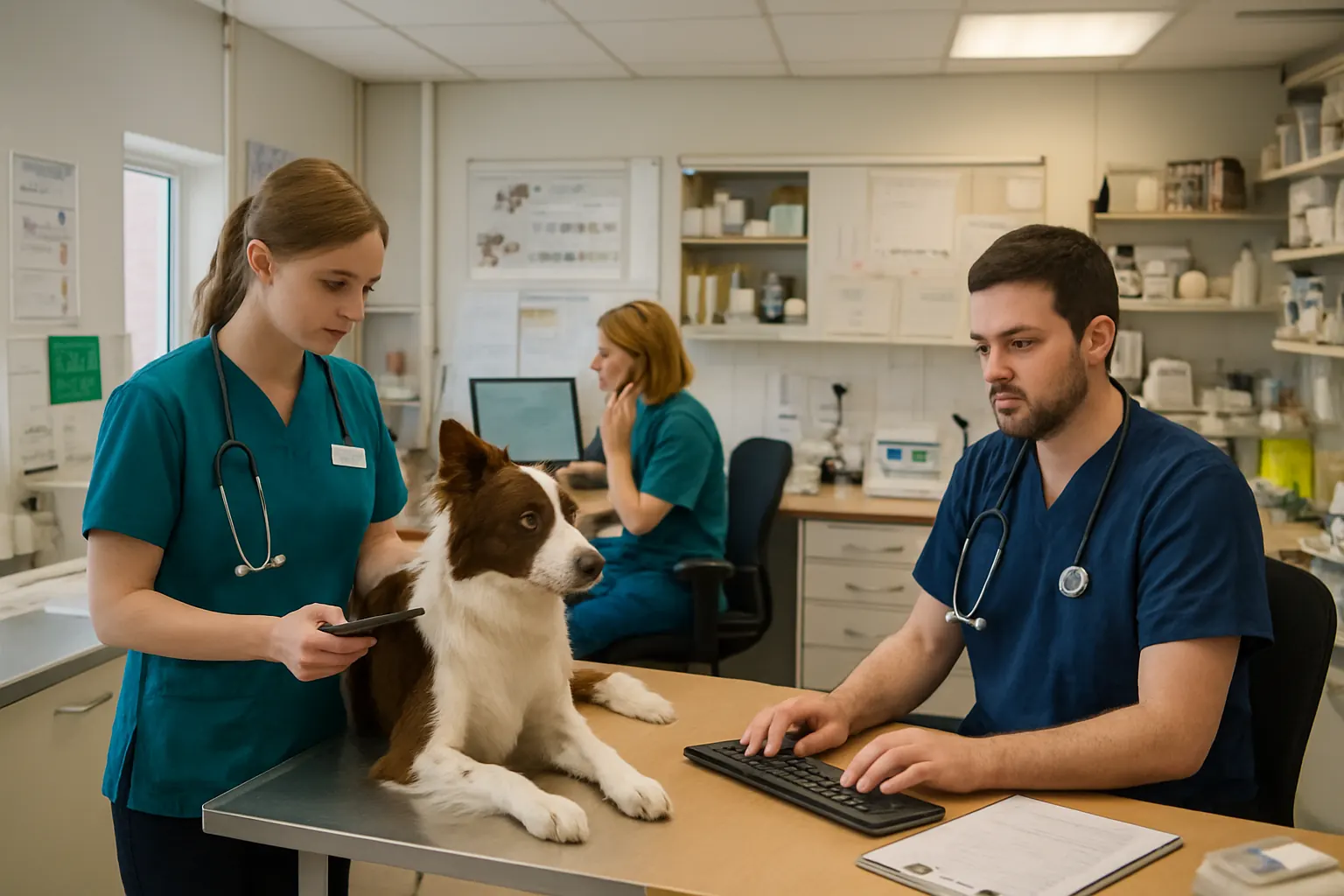
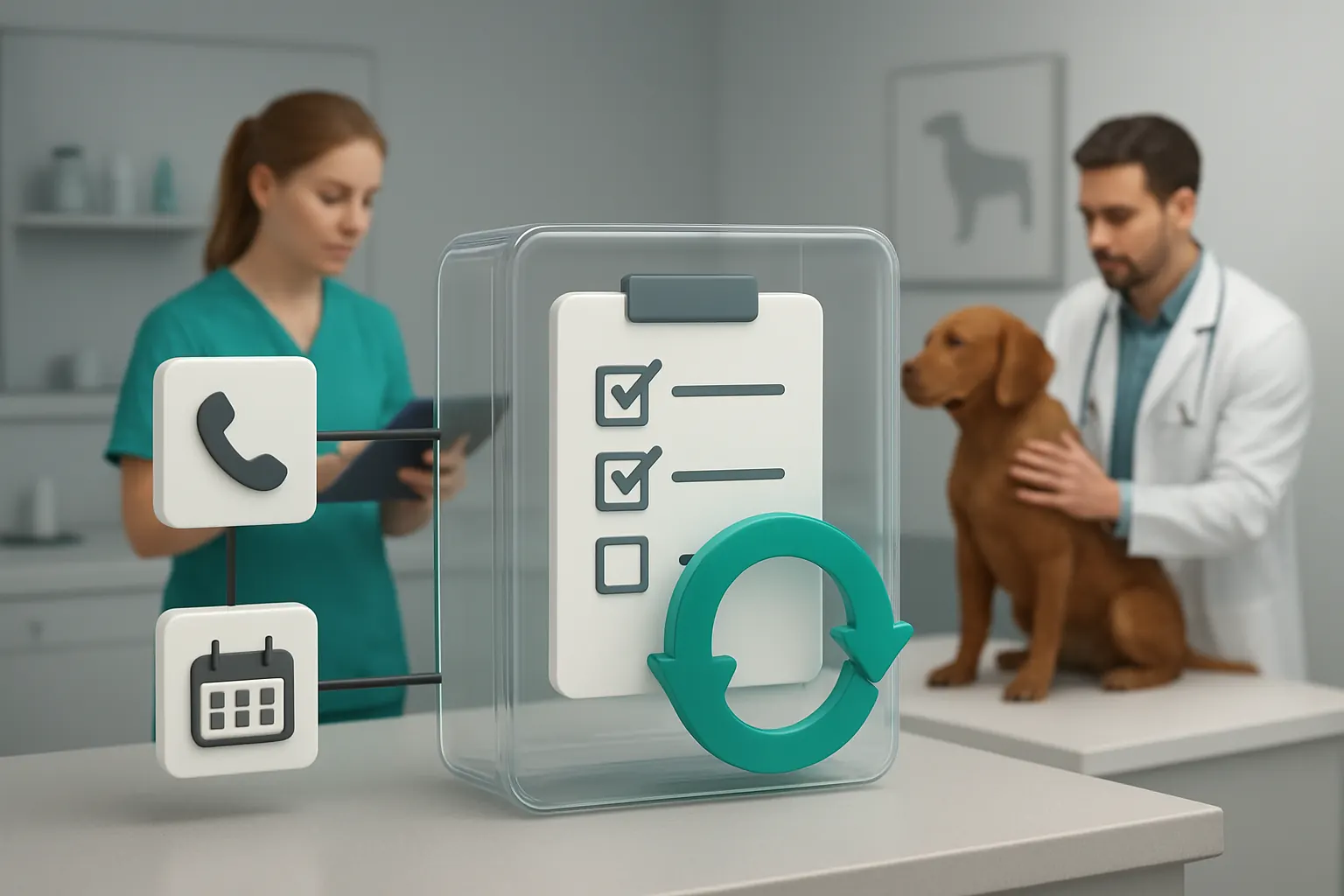
Streamlined Referral Triage and Appointment Scheduling
Referral Challenges Create Delays and Lost Bookings
Referral processing often gets stuck in email inboxes, spreadsheets, or disparate systems. There is no central status update, so staff must chase vets, clients or other clinics manually to confirm eligibility and urgency. Coordinating suitable appointment slots with the vet rota is slow and repetitive.
Connected Referral Workflow Enhances Visibility
Our operating environment integrates with your existing practice management software and email tools, capturing referral data into a triage workspace tailored to your process. The system applies deterministic business rules to flag priority referrals automatically. It then suggests available appointment windows based on real-time rota data.
Useful Integrations with Existing Systems
- Import referrals via secure email or practice software APIs.
- Sync with rota modules to show doctor availability.
- Automated alerts for overdue responses or missing info.
Concrete Example: Priority Referral Handling
The platform can auto-classify a referral tagged ‘urgent’ and prompt a receptionist to offer next-day appointment slots. Meanwhile, routine cases are queued for scheduling further out, all tracked in one interface.
Controls Preserving Human Oversight
All triage outputs come with visible decision logs. Clinical staff can override AI classification or scheduling suggestions before final confirmation. This preserves accountability and clinical responsibility.
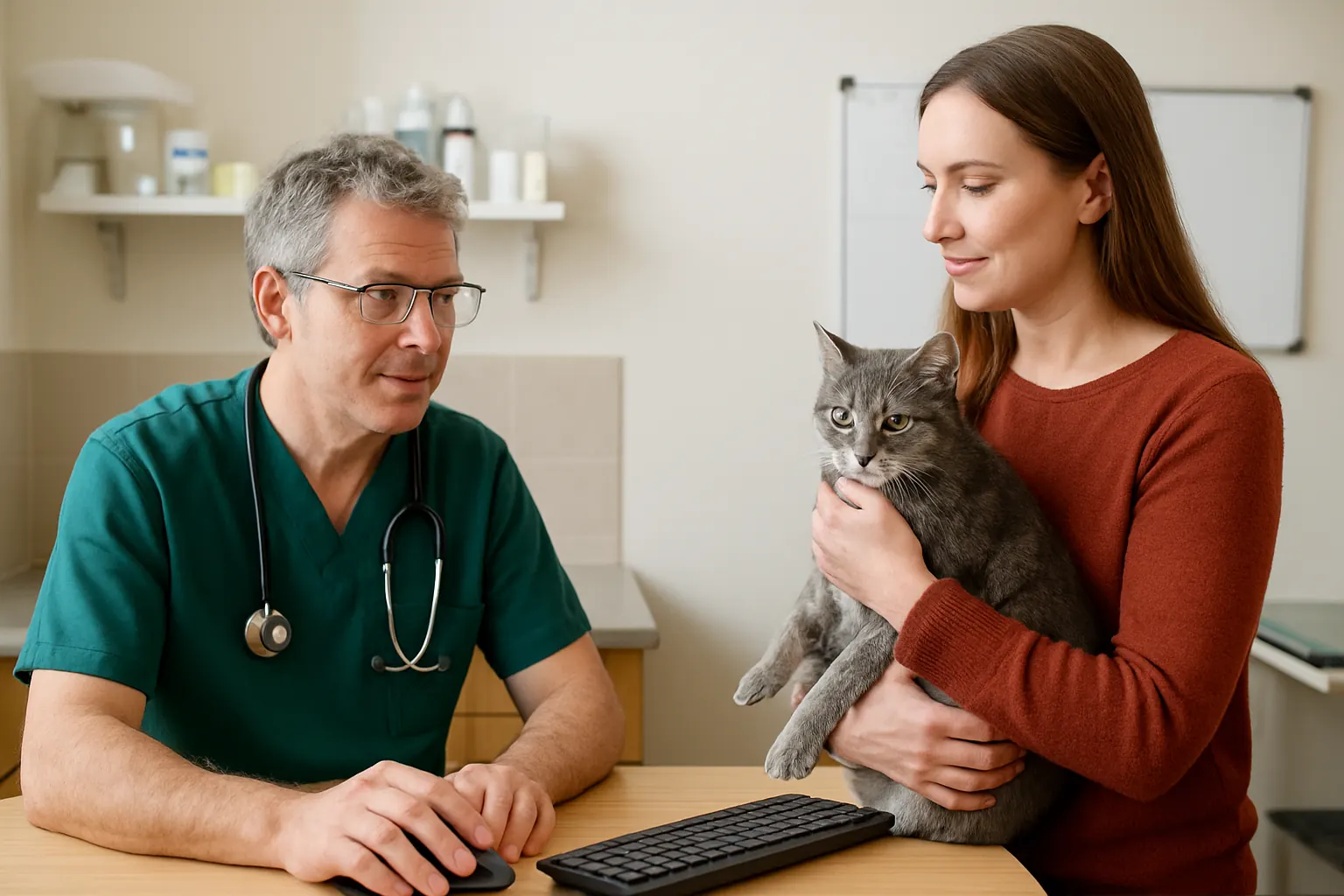
Unified Appointment Booking and Client Communication
Repetitive Manual Reminders and Confirmations
Booking appointments is time-intensive due to manual calls or emails for confirmations, rescheduling, and reminders. This leads to missed slots or late cancellations.
Connecting Booking Records to Multichannel Communication
The owned system centralises appointment records and automates client communications via SMS, email, or phone call triggers. Upon scheduling, customised messages confirm times and provide preparation instructions. Follow-ups adjust dynamically if rescheduling occurs.
Integration with Specialist Communication Tools
Payment or messaging providers, such as Stripe for deposits or Twilio for SMS, can be seamlessly embedded. These external tools specialise in services unlikely to fragment and remain secure when integrated directly rather than standalone.
Practical Scenario: Automated Appointment Change Management
If a vet is suddenly unavailable, the system auto-triggers client notifications proposing alternative slots, updating records without manual input.
Governance and Compliance Safeguards
Communication templates include mandatory privacy disclaimers. All messages are logged with timestamps. Users can audit outgoing content for regulatory purposes.
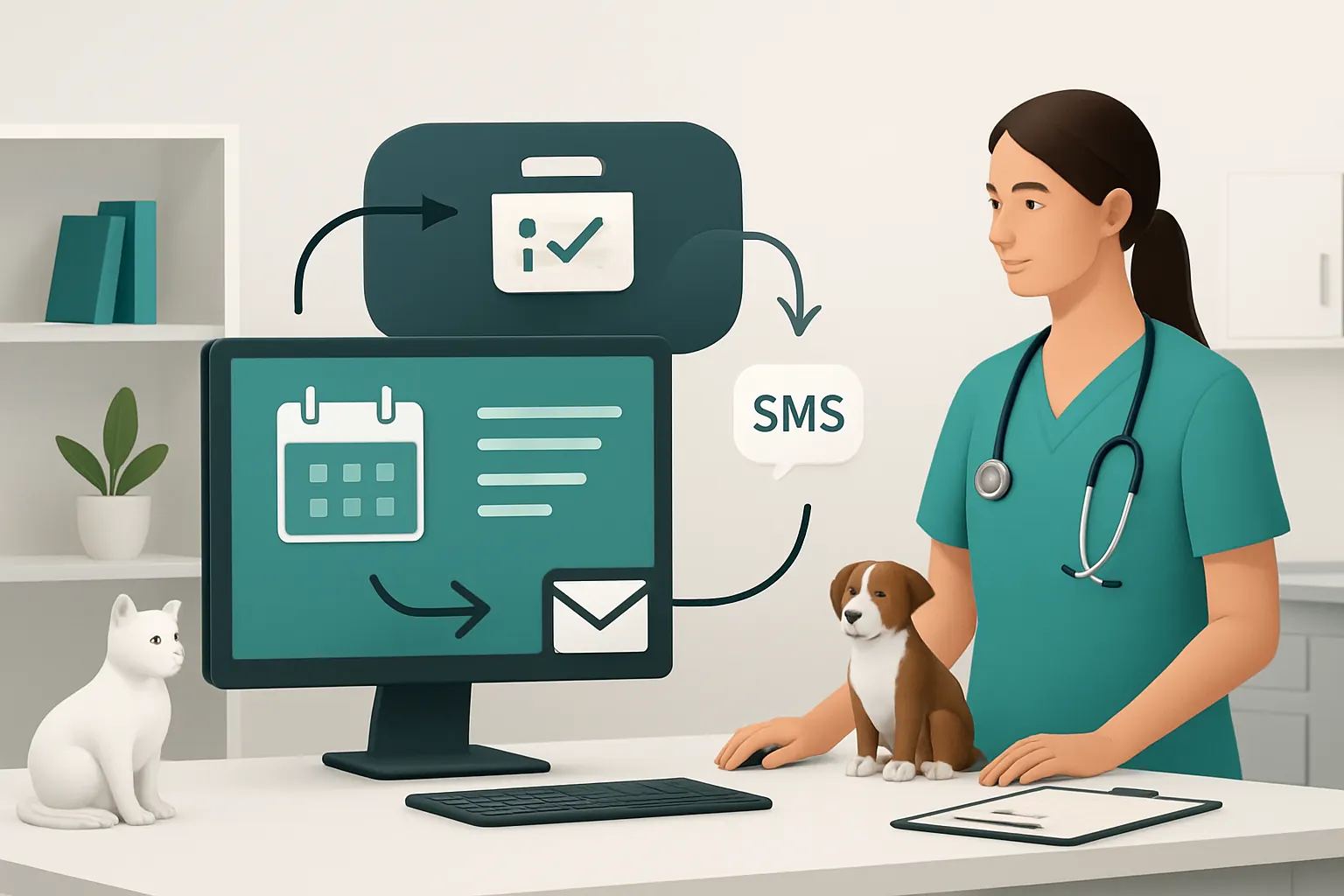
Comprehensive Treatment and Follow-up Task Routing
Coordinating Patient Care and Aftercare Tasks
After each appointment, follow-up actions such as prescription refills, lab tests, or wellness check reminders require precise handoffs and tracking. Disconnected tools mean tasks get missed, or status updates lack transparency.
Pipeline Dashboard Tracks Patient Journey
A central workspace gathers clinical records, follow-up activities, and medicine stock levels. Tasks route automatically to appropriate team members based on rules configured around patient condition and clinician workload.
Leveraging Existing Electronic Health Records
Where your current veterinary practice management software maintains clinical notes, the platform connects to extract relevant data, enriching workflows without replacing core clinical systems.
Example: Automated Prescription Refill Workflow
When a treatment course nears completion, the system flags a medicine reorder task for pharmacy staff and alerts the vet to review. Once approved, clients receive expiry reminders for medication or vaccination next steps.
Oversight Features for Critical Decisions
Human review gates control task completions involving clinical judgements or regulated medicines. Exception reports highlight overdue tasks or missing approvals.
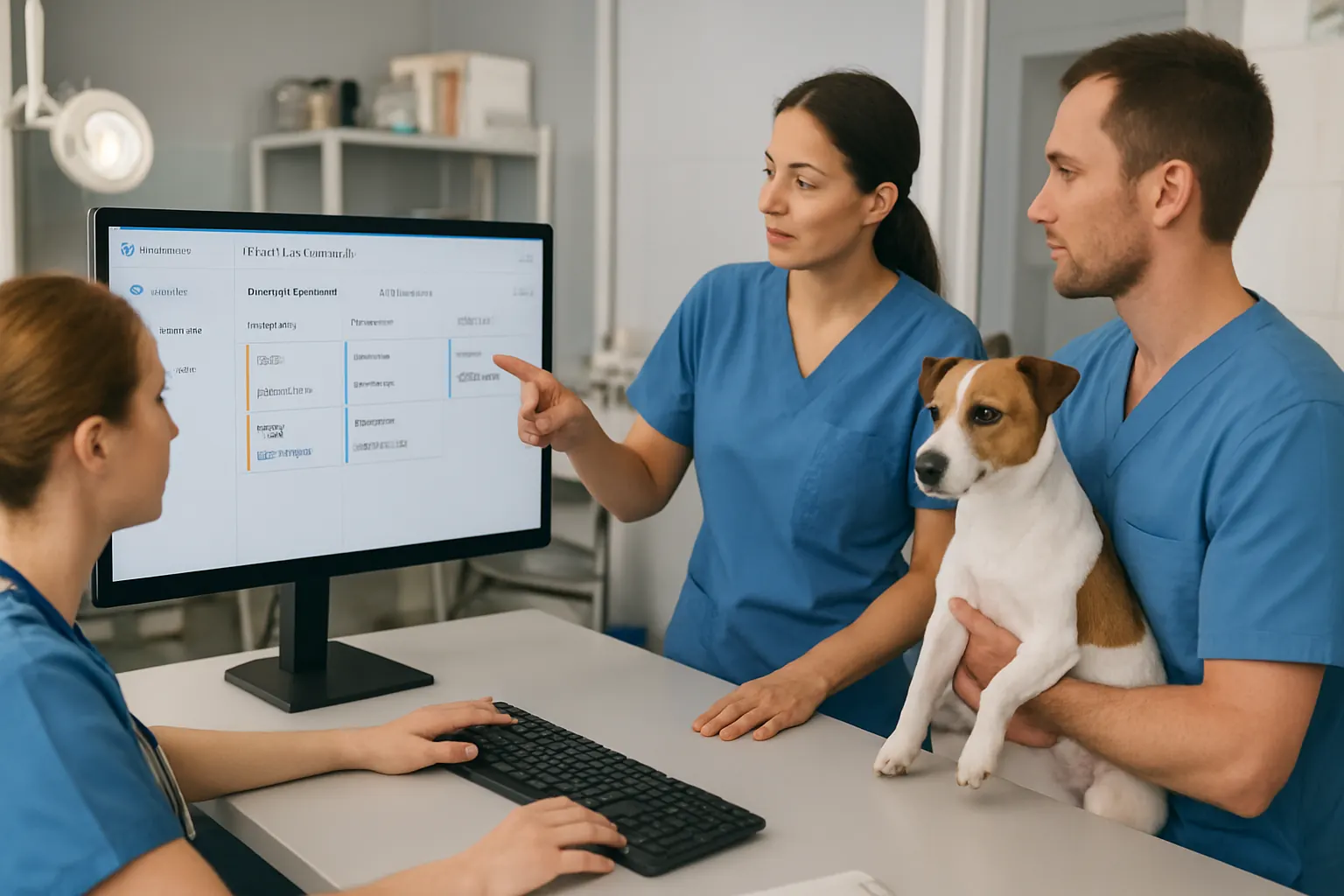
Owned Reporting and Real-time Operational Dashboards
Fragmented Reports Complicate Insight and Planning
Veterinary clinics typically use multiple tools generating siloed usage, compliance, and financial reports. This obscures operational bottlenecks and wastes management time compiling data.
Single Source of Operational Truth
By bringing appointment data, patient workflows, stock usage, and finance summaries into one tailored database, teams have instant visualisation of daily, weekly, and monthly performance.
Useful Connections to Financial or Inventory Tools
The system can interface with accounting software or stock management apps where specialised functions remain best served externally.
Illustrative Use Case: Predictive Rota Adjustment
Analysis of booking trends and no-show patterns on the dashboard informs rota managers about when to schedule extra vet hours, balancing workload while reducing idle capacity.
Compliance and Data Accuracy Controls
Data inputs derive from connected systems and user confirmations. Auditable logs track report generation and access in line with regulatory standards.
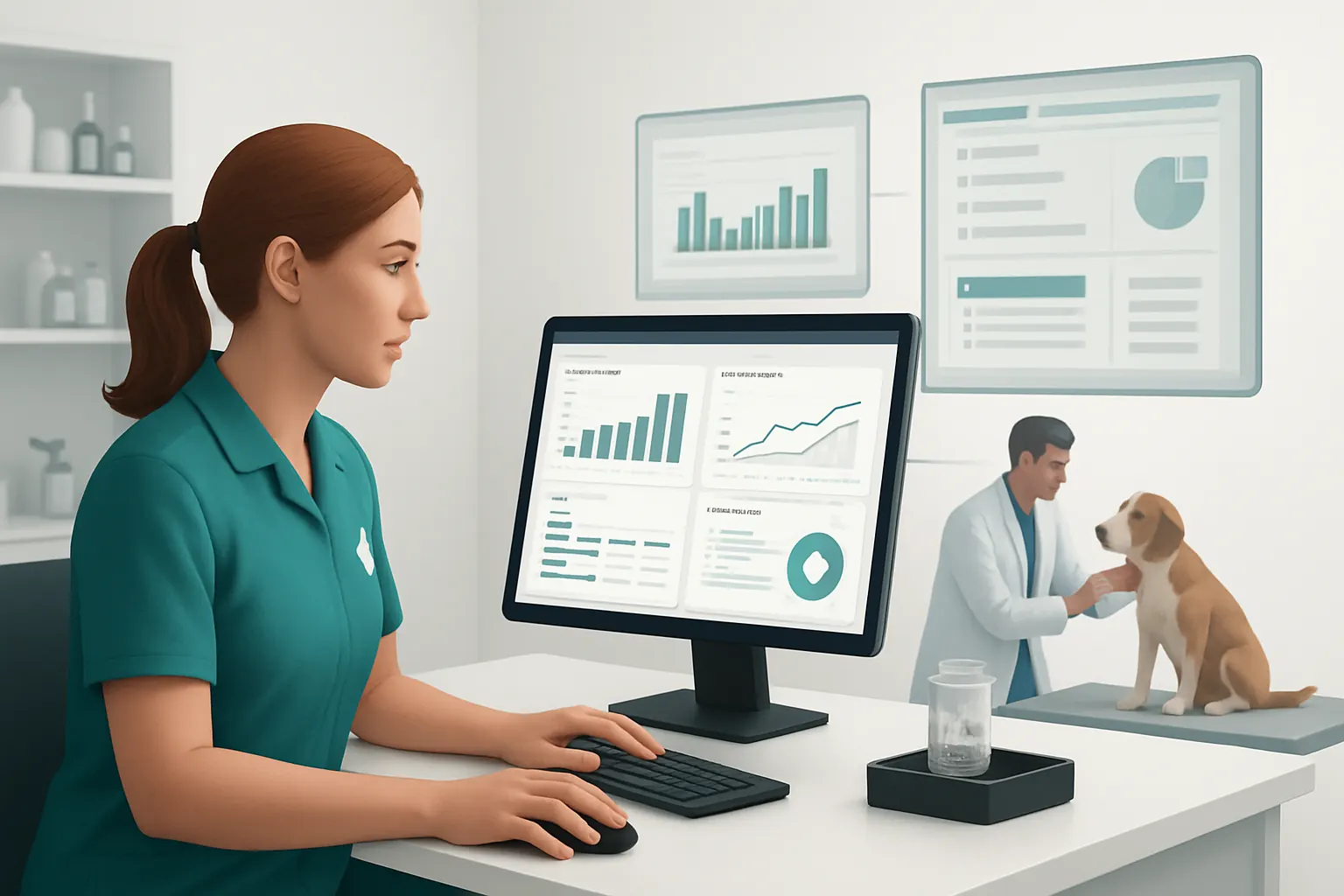
Selective AI Assistance Supporting Decisions Without Overreach
AI Hype vs Practical Veterinary Workflow Assistance
In veterinary care, AI excels at variable, context-specific tasks like document classification, summarisation, or prioritising backlogs. However, routine, repeatable activities suit deterministic rules better.
AI as a Decision Support Tool, Not a Replacement
Use AI modules for tasks such as summarising lengthy referral notes or flagging urgent cases. Critical clinical and financial decisions remain subject to human authorisation and carefully configured controls.
Integration with Existing AI or Automation Services
The connected system selectively invokes AI services within workflows where their value is clear. For instance, automated note summarisation can speed record review before clinical approval.
Real-world AI Usage Example: Priority Referral Classification
AI scans incoming referrals, provides triage recommendations, and surfaces ambiguous cases for clinician review, improving throughput without unattended decisions.
Controls Ensure Ethical and Responsible Use
Alerts accompany AI outputs emphasising their advisory status. Exception workflows require authorised sign-off for decisions involving clinical impact or regulated data.
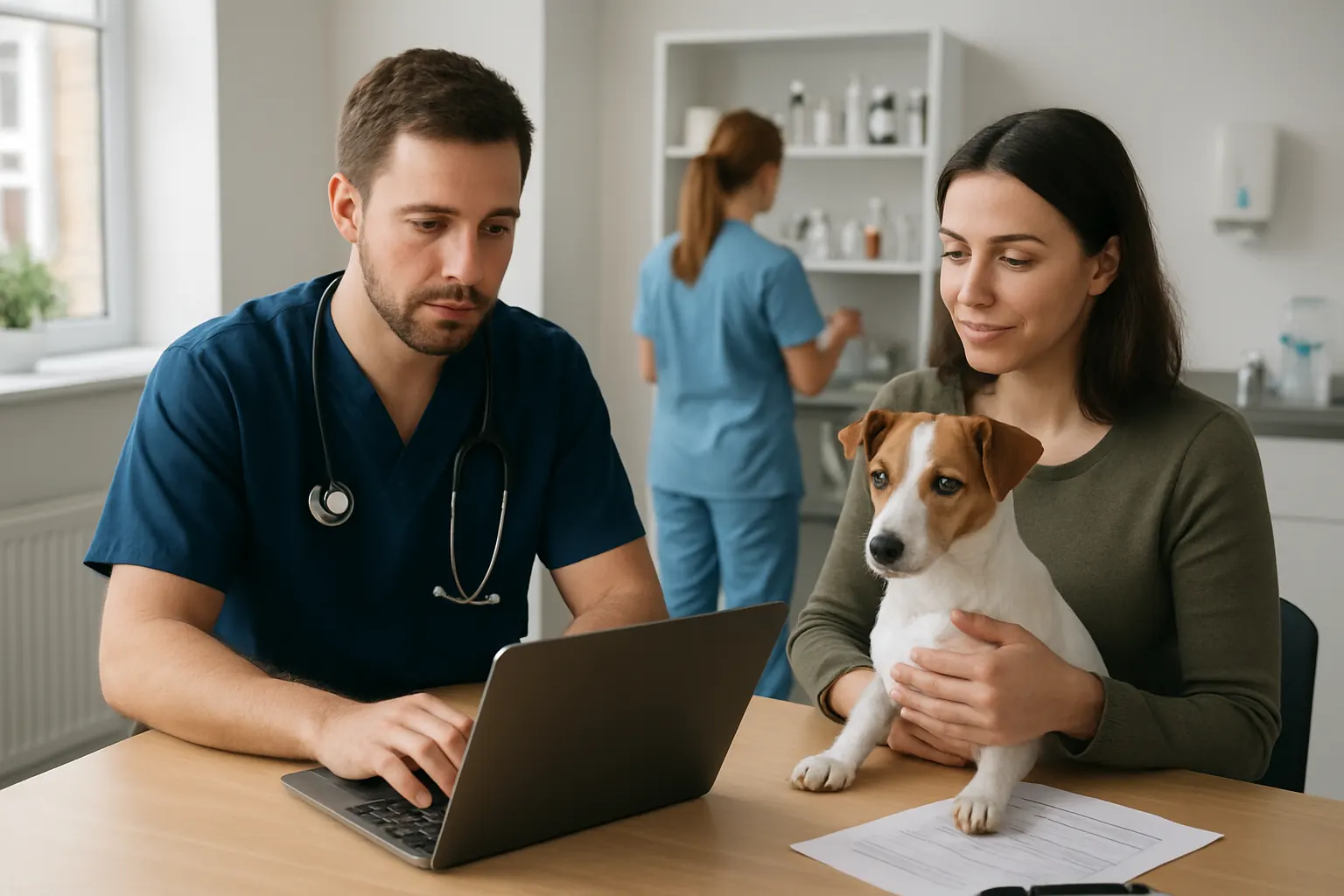
Veterinary Practices Appointment Automation Software: A 90-Day Rollout Plan
Effective adoption depends on a phased approach to minimise disruption and build staff confidence.
Weeks 1–2: Discovery and Initial Integration
- Map existing appointment and referral workflows with key users.
- Connect current practice management software, rota, and email tools.
- Configure referral triage workspace with preliminary business rules.
- Begin data migration for appointments and client contacts.
Weeks 3–6: Automating Scheduling and Communication
- Deploy the appointment booking and client messaging automation.
- Embed SMS and email communication tools with custom templates.
- Train staff on using new booking records and dashboards.
- Monitor initial referral triage and feedback.
Weeks 7–12: Full Workflow and AI Support Activation
- Activate treatment follow-up and task routing modules.
- Integrate AI classification and summarisation where agreed.
- Implement operational dashboards with live KPIs.
- Establish clinical and administrative controls, compliance audits.
- Conduct final staff training and formal handover of owned system.
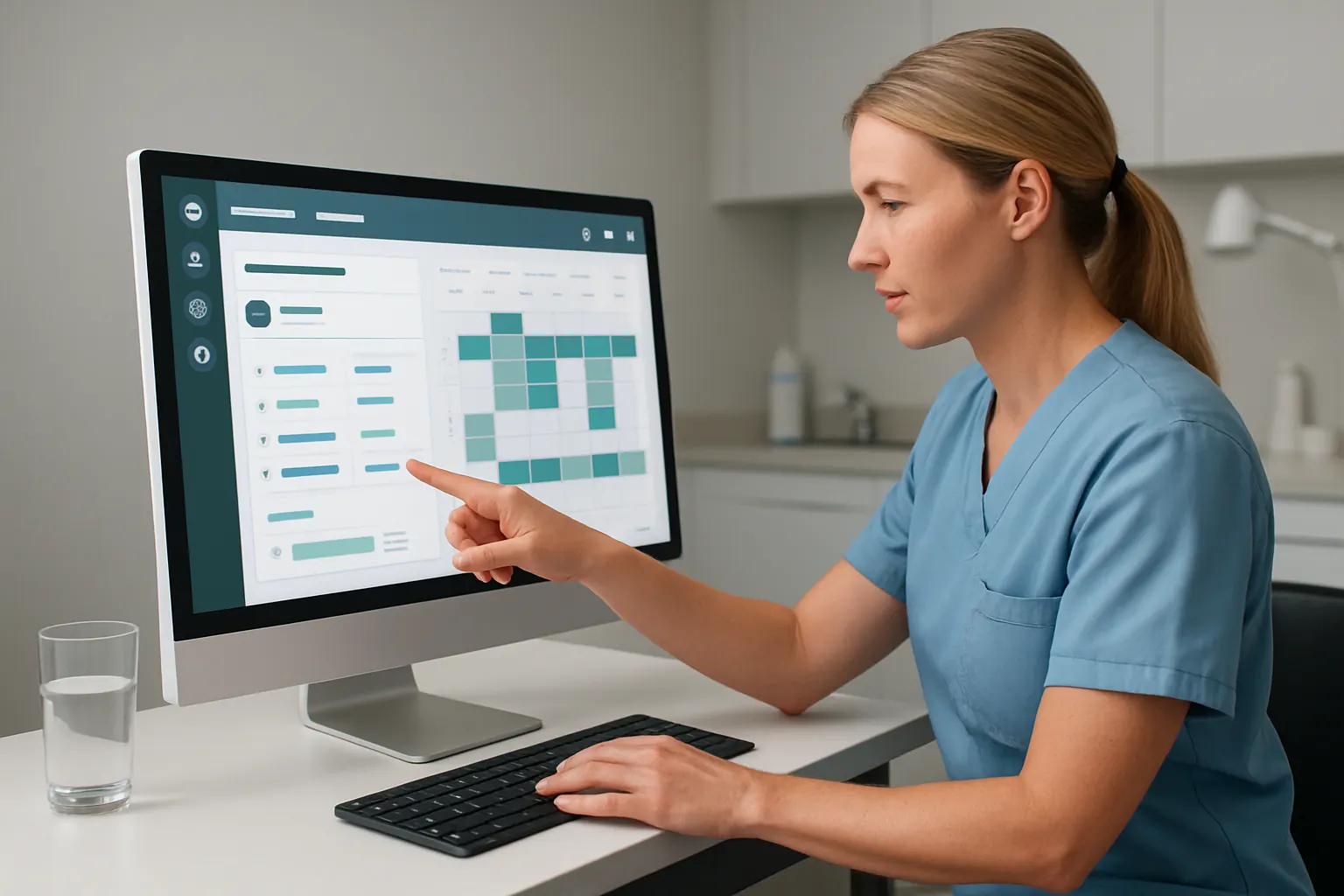
Transforming Veterinary Operations with AI Implementation UK
AI Implementation UK offers veterinary practices a single connected operating system you fully own. We design this system around the way your business and clinical teams work — not the other way around. This means your existing software investments continue to provide value and interoperate seamlessly with new owned modules that replace costly subscriptions.
Our approach centralises operational data—from referrals and bookings to treatments and stock—in one trustworthy record with custom dashboards tailored to your role-based needs. We apply automation where it delivers the greatest day-to-day impact, using deterministic logic for predictable tasks and selective AI for variable workflows like referral classification and summarisation.
Importantly, human oversight remains integral to the process, maintaining clinical governance and data protection confidence. We integrate specialist external services, such as payment gateways or communications platforms, within your owned system for enhanced continuity and control.
Explore how your veterinary practice can reduce manual workload, improve patient care, and accelerate referrals to appointments through a single tailored system by visiting our detailed process automation services and data infrastructure preparation pages. Our proven methodology and expert designs help achieve a smooth 90-day rollout tailored to busy clinical environments.
Modern veterinary practice workflows demand more than a patchwork of cloud apps. By owning your connected operating system with AI Implementation UK, you gain a practical, scalable foundation for ongoing digital improvements—improving both care delivery and operational efficiency.
References:
- ICO guidance on data protection in healthcare: ICO data protection guidancefor-organisations/health/
- GOV.UK data and healthcare records regulations: https://www.gov.uk/guidance/health-and-care-data-use
- PCI Security Standards Council – Payments practices: PCI Security Standards Council guidance
- Digitail, AI in Vet Clinics: https://digitail.com/blog/ai-in-veterinary-clinics-20-use-cases-transforming-practice-workflows/
For further insight on AI strategy, see our AI strategy roadmapping services or review real-world success stories in our case studies.