
Learn how food and drink wholesalers can connect systems, reduce manual admin and automate order to dispatch with one tailored operating platform the business owns.
Order to dispatch automation for food and drink wholesalers: What Breaks Daily
Food and drink wholesalers operate in an environment defined by fast-moving trade orders, batch stock control, and complex delivery rounds. Yet many still rely on manual entry and spreadsheet-led processes. These create frequent bottlenecks: delayed order processing, inventory mismatches, and last-minute dispatch errors. Each break reduces margin and weakens supply chain reliability. Errors escalate when data lives in isolated systems, and inefficiencies multiply as teams reconfirm information or chase paper trails. The result: frustrated staff, unhappy customers, and missed opportunities.
Automation does not mean replacing everything wholesale with disconnected software. Instead, businesses benefit from one connected operating workspace tailored to their specific workflows, owned and controlled by the business itself. The technology should link legacy systems, remove avoidable subscription costs, and deliver consistent, reliable operational data in one trusted source, presented through customised dashboards. Within this, AI acts selectively—supporting classification, summarisation, prioritisation or decision support—while deterministic rules handle routine tasks, and humans oversee critical approvals.

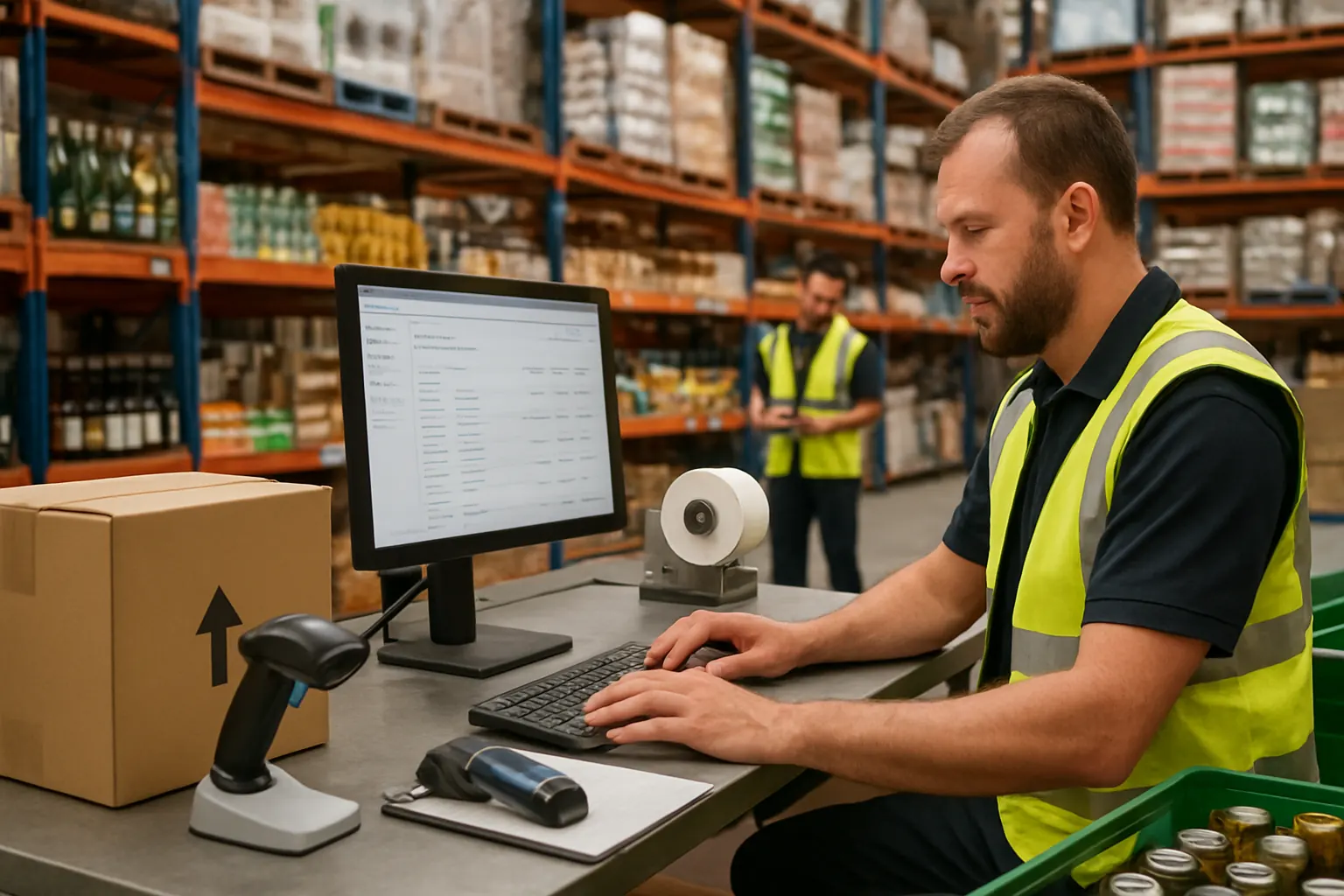
Streamlining Order Entry by Connecting Existing Data Systems
Overcoming Fragmented Data Capture in Orders
Most wholesalers enter trade orders manually or via disconnected spreadsheets. This results in transcription errors and stock misalignment.
Combining Legacy ERP or Accounting Software
Rather than replacing essential finance or ERP software, connecting these systems to an owned order entry module creates one reliable source of truth.
Example: Single Data Entry Point
An order entered via a tailored order form auto-populates stock availability from the ERP without duplicate input.
Control: Human Review Step
Automated order validation highlights anomalies for manual review before confirmation.
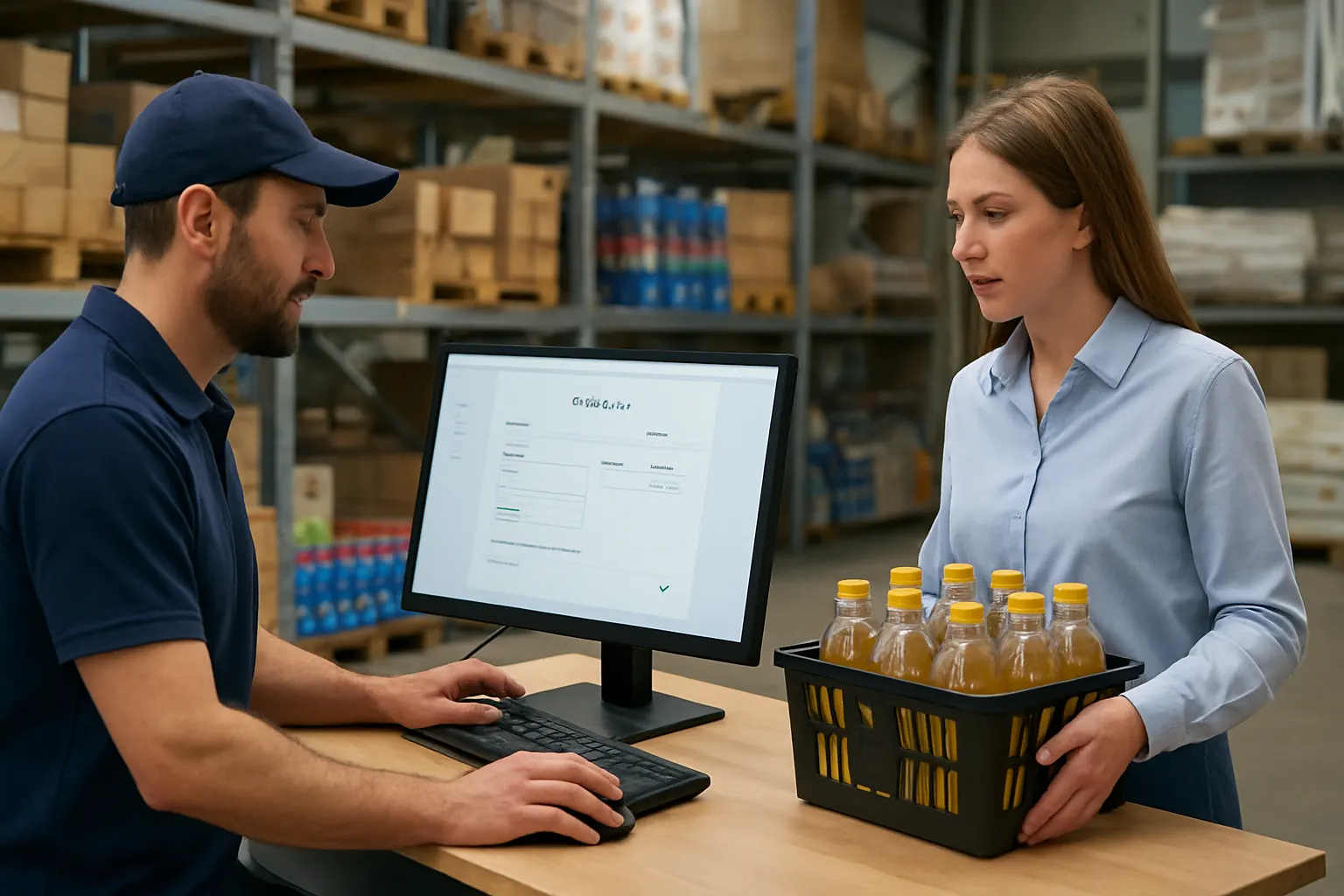
Automating Batch Stock Allocation Aligned to Orders
Solving Stock Mismatch Across Channels
Stock discrepancies cause delivery errors and delays. Batch and expiry information must be tightly linked to orders.
Integrating Batch Traceability Modules
By linking batch management directly to the order workspace, allocation can follow configured FIFO, FEFO, customer and traceability rules.
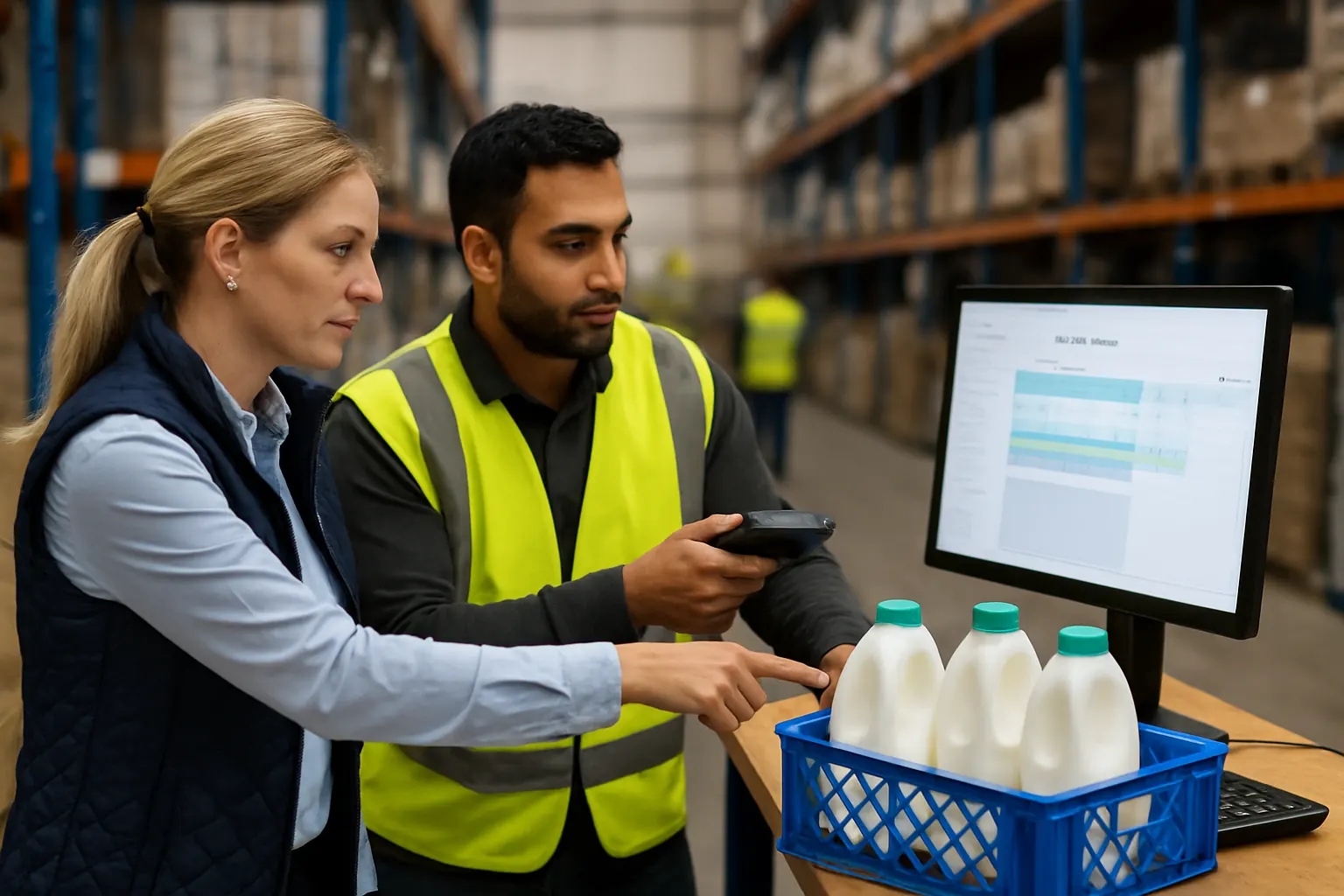
Real-World: Auto-Batch Linkage for Dairy Products
When a new order arrives, the system can suggest suitable batches approaching expiry. Warehouse staff review exceptions and retain control over the final allocation.
Control: Override Capability for Exceptional Cases
Warehouse managers can manually reassign batches with recorded justification.
Scheduling and Capacity Planning for Delivery Rounds
Challenge: Inefficient Route and Staff Planning
Many wholesalers rely on last-minute phone or spreadsheet scheduling, causing missed delivery windows.
Use of a Capacity Planning Workspace
Linking orders to delivery routes and vehicle capacity within one system enables dynamic load balancing.
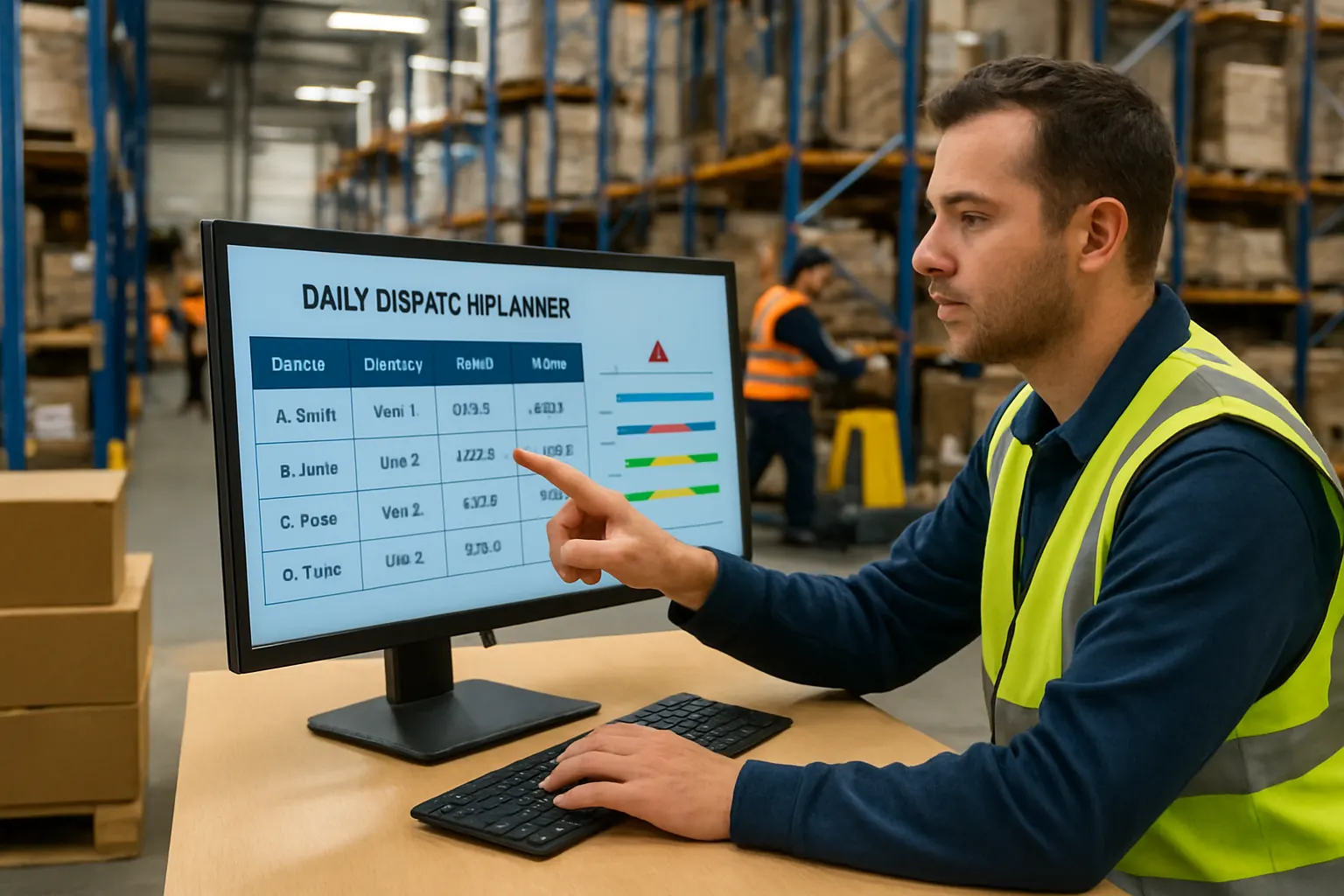
Example: Daily Dispatch Planner
A dashboard presents available drivers, vehicle space, and time windows, automatically flagging overcapacity situations.
Control: Flexible Editing by Dispatchers
Dispatch staff can reallocate orders or adjust routes with impact shown in real time.
Dispatch Orchestration with Delay and Exception Alerts
Preventing Last-Minute Delivery Failures
Manual monitoring means risks from vehicle breakdowns or late orders are detected too late.
Automated Alert System Connected to Dispatch Data
Rules flag any order delays, vehicle issues, or customer exceptions for early intervention.
Concrete Application: Delay Notification via SMS
Dispatchers receive instant alerts of delays, enabling immediate route re-planning or customer updates.
Control: Confirmation Required from Dispatch Supervisors
Alerts trigger workflows, but final decisions remain with trained staff.

Electronic Proof of Delivery and Document Capture
Eliminating Paper-Driven Proofs
Paper PODs lead to lost, delayed, or inaccurate reconciliations.
Integrating Digital POD Capture and Storage
Drivers submit delivery confirmation, including photos and signatures via mobile devices linked back to the main order workspace.
Example: Instant Customer Confirmation Upload
As proof uploads, finance and customer service teams gain real-time access.
Control: Secure Driver Access with Audit Trail
Driver credentials and delivery timestamps create a clearer audit trail for the organisation’s chain-of-custody process.

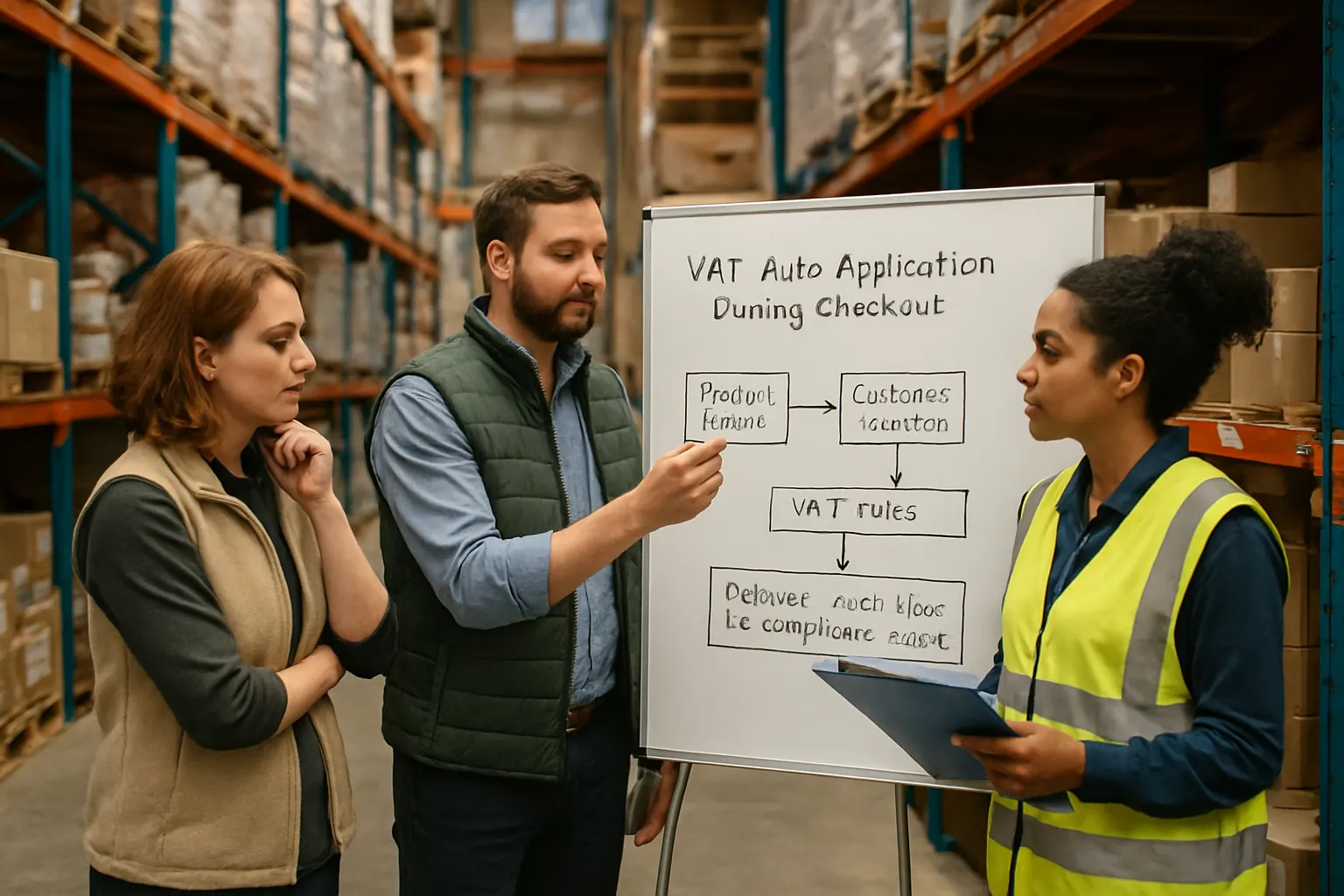
VAT rules and finance review within orders
Complex VAT and regulatory recording challenges
VAT treatment can vary by product, customer and transaction. Finance teams need consistent product tax codes, evidence and a route for reviewing uncertain cases.
Configured calculations linked to order data
An owned workflow can apply tax codes approved by the responsible finance team and flag missing or conflicting details. GOV.UK explains that different goods and services can have different VAT rates.
Illustration: VAT calculation with exception handling
Invoices use the approved product configuration, while unusual combinations and missing evidence are held for review before issue.
Control: Finance approval and audit history
Versioned tax rules, calculation inputs and reviewer decisions give finance teams a clearer record for reconciliation and professional review.
Replacing Redundant Subscription Software with Owned Modules
Reducing Cost from Multiple Disconnected SaaS
Wholesalers often pay for overlapping software—CRM, order entry, invoicing—that don’t talk.
Modular Development of Specific Own Systems
Replacing avoidable SaaS modules with owned equivalents integrated into the core workflow reduces costs and data loss.
Example: Owned Customer Relationship Management System
Instead of multiple paid CRMs, all customer activity and order history sits within the order to dispatch workspace.
Control: Customisable Access Rights
Data access tailored by role to protect sensitive information.

Intelligent Prioritisation of Orders Using Selective AI
Handling Urgent or Variable Requests Efficiently
Not all orders carry equal urgency; manual sorting wastes time.
AI-Assisted Classification and Prioritisation
Selective AI algorithms summarise orders by customer priority, delivery times, or product availability.
Example: AI Flags Perishable Item Orders for Early Dispatch
Orders containing high-risk perishables appear flagged for prioritised handling.
Control: Human Override and Final Approval
AI flags assist but do not replace managerial decisions.

Centralised Dashboard for Real-Time Operational Insights
Avoiding Fragmented Reporting and Blind Spots
Traditional reporting pulled from multiple sources can lag or conflict.
Consolidated Operational Dashboard Across All Modules
A single dashboard presents order status, stock levels, route efficiency, and exceptions in real time.
Use Case: KPI Monitoring for Route Efficiency
Managers monitor route completion rates and identify recurring delays at a glance.
Control: Customisable Views by Role and Function
Dashboards adjusted to display relevant data for logistics, sales, and finance teams.

Seamlessly Integrating Specialist Third-Party Services
Recognising Where External Tools Are Best
Payments, communications, and specialised equipment integration often need dedicated tools.
Integration of Payment Gateways and Communication APIs
Owned systems connect securely to payment processors or bulk SMS providers without breaking workflows.
Example: Automated Payment Status Updates Feeding into Order System
Payments received update order statuses instantly, avoiding manual reconciliation.
Control: Managed API connections
Encrypt data in transit, restrict service permissions and review what each integration receives. The ICO security guidance provides a useful starting point, while the organisation remains responsible for its own data-protection assessment and controls.

Implementing Automation: A Practical 90-Day Rollout Plan
Weeks 1–2: Discovery and System Assessment
- Map existing workflows and identify manual pain points.
- List current systems and integrations.
- Agree automation goals with stakeholders.
Weeks 3–6: Build and Connect Core Modules
- Develop owned order entry and batch allocation modules.
- Connect legacy ERP/accounting software for data flow.
- Roll out delivery round planning and dispatch alert workspaces.
Weeks 7–12: Enhance with AI and Dashboards
- Implement AI-powered order classification and prioritisation.
- Deploy proof-of-delivery capture with driver mobile access.
- Launch centralised dashboards and integrate specialised external services.
- Train users and stabilise workflows.

How AI Implementation UK Can Automate and Connect Your Food and Drink Wholesale Operations
AI Implementation UK delivers one connected, owned operating system that models your unique food and drink wholesale workflows. We preserve the investments in your current systems by integrating them, avoiding costly software churn and subscription overload. Our solution replaces redundant software with bespoke modules developed around your daily tasks, consolidating operational data into a single reliable record.
We treat AI as a tool for selective work — supporting sorting, summarising, prioritisation and decision support where inputs vary. Deterministic rules handle predictable tasks, while critical approvals and compliance checkpoints remain with your people. Validation and exception queues help teams maintain more reliable data and visibility across order to dispatch.
With AI Implementation UK, you get simple modules linked into a robust workflow rather than an unpredictable patchwork of SaaS. This reduces errors and admin overhead, smooths cash flow, and sharpens operational agility—key for overcoming the targeted challenges facing UK food and drink wholesalers today.
Discover how your organisation can start automating smartly and sustainably through our process automation and RPA services and prepare your data backbone with our data infrastructure preparation offerings. For tailored advice on leveraging AI selectively within your workflows, our AI strategy roadmapping will guide your journey.
Reliable order to dispatch automation is no longer a distant aspiration — it’s a practical transformation within your reach today.
To turn these priorities into one coherent system, map the platform your business needs or explore our workflow automation approach.